

By Marley Hinrichs
I saw a TikTok of a girl scream-sobbing because Taylor Swift didn’t play the song she wanted at her concert. Plenty of people hold intense attachments to Swift’s music, but to the point of sobbing? That level of investment may be too deep of an emotional tie to have with a celebrity, but this girl is far from the only one. In fact, it’s becoming common.
These emotional ties are called parasocial relationships, according to media psychology research. People in these relationships invest significant time, energy or money into a persona,presented in mass media, that cannot reciprocate. As the world becomes increasingly digital, as do obsessions with our phones and the characters within. Parasocial relationships, harmless as they may seem, often end up harming your mental health more, and alienating you in the process.
In the Spring of 2023 the U.S. surgeon general published an advisory about the “Epidemic of Loneliness and Isolation,” stating that loneliness was a real issue and not “just a bad feeling.” This checks out. I can’t remember the last time I had a conversation with a stranger, or even a random classmate. Instead, we float from one place to the next, isolated in our journeys.
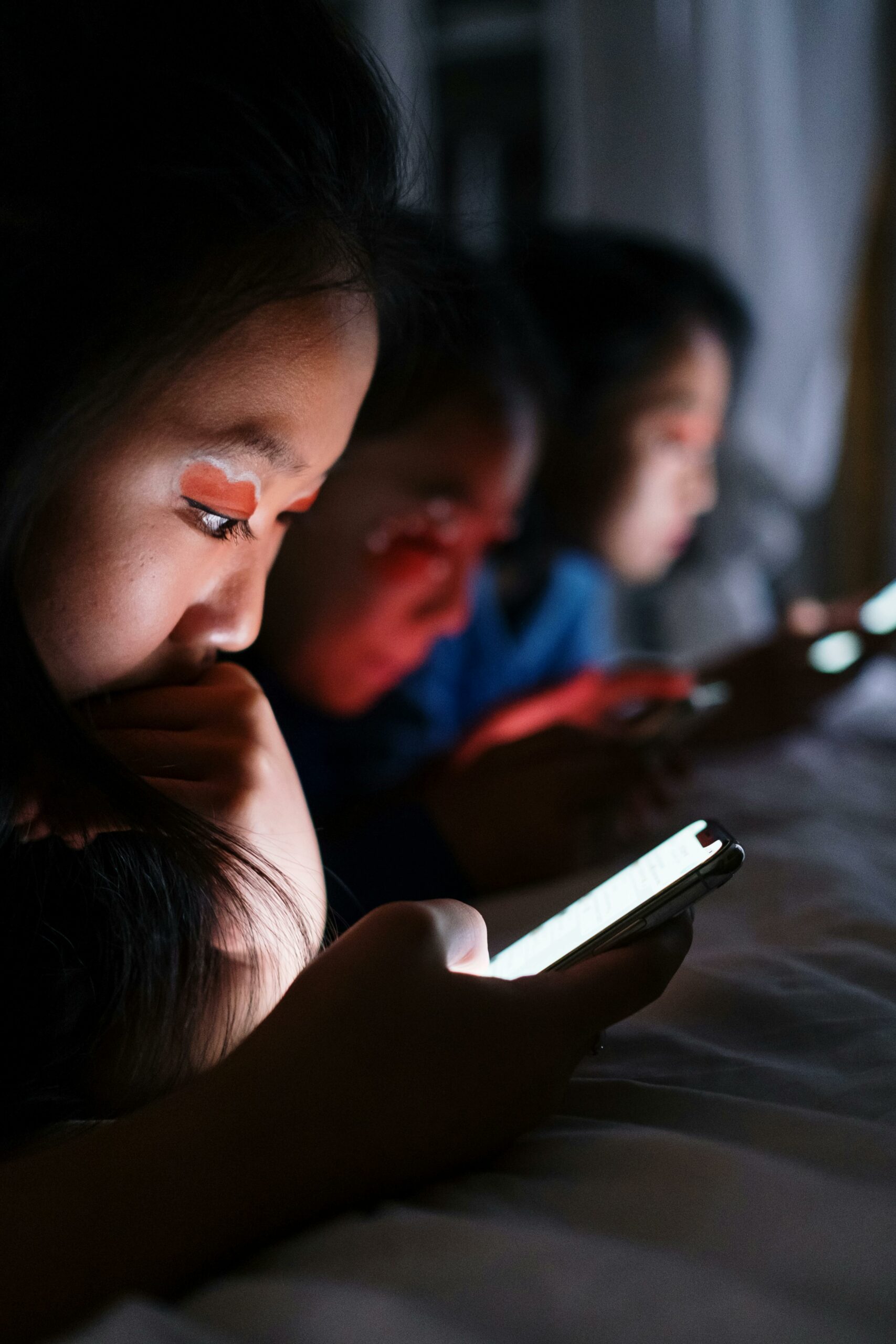
This issue is worsened by the decline of third spaces, such as malls, arcades or libraries. If people aren’t meeting outside of the house, it’s cheaper and seems less embarrassing to stay in and consume your media. Sequestering yourself in online spaces limits your worldview- and your brain has no choice but to connect to whoever’s on your screen, whether or not they care about you.
As soon as humans see and connect with something mostly like us, we have the instinct to bond for community and protection. What if I told you your deranged celebrity crush is simply a product of the evolutionary process, not based on your logical understanding of what’s right for you? Even if these relationships help you cope, they don’t necessarily help.
You may ask: where’s the harm in a little pop culture obsession? If it gets people through adult life, many don’t see any problem with parasocial relationships. The answer is that a relationship with someone who cannot love you back will provide nothing in real life, besides reinforcing delusions. There is no alternative to one-on-one connection and community building you can have with friends.
Parasocial relationships ultimately cannot provide you with fulfilling social interaction, as the other person either doesn’t exist or doesn’t know you exist. The tricky part is that many capitalize on parasocial relationships, pretending to care or even love this person. Influencers talk to you like you know each other because it makes money.
It’s important to remember that celebrities don’t and can’t love you, and these relationships aren’t making you any less lonely—they just dull the pain without curing the issue. Indulging in these relationships only reinforces modern struggles with loneliness.
Imagine being 14 years old during the pandemic, and waking up crying because you’re so obsessed with the Harry Potter characters that you struggle to accept reality and shut down socially. You may have positive relationships, but they’re being overshadowed by your obsession, and people don’t want to be your friend as much because of it. I was going through a lot at the time, but without much real connection I was compounding the effects of loneliness.
Feeding upon delusions is not the way to handle them, according to the British Columbia Schizophrenia Society. Their solution is to support a person through those thoughts, affirming that it does feel real to them, but gently telling them it is not. If you allow yourself or your loved ones to believe that real connection is coming from a celebrity, you are only going further down a fantastical spiral. As their real-life loved ones, you must provide them the connection and understanding that they think they get from their obsessions.
As a child, I couldn’t have expected to understand this idea, but as an adult you should. Of course adults are allowed to enjoy things, even obsess in moderation. However, the line in the sand should be clear. You can enjoy Taylor Swift’s music without having to convince people that she’s a good person, or melting down over her tour: you don’t know her.
If you can’t distinguish what is liking a celebrity or character versus an unhealthy obsession, it’s a sign t to develop better coping skills for loneliness. As an adult, you should wake up thinking forward to your real life, not crying about wizards. If the latter is the case, consider investing more in your real-life relationships: confide in a friend, talk to a stranger, start a book club. I guarantee you’ll feel better, and people won’t make fun of you on TikTok for it.

Leave a Reply